Understanding Lead Azide: The Chemical Detonated at an Iowa Army Base
Introduction to the Iowa Army Base Detonation
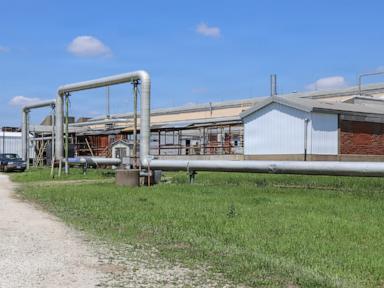
According to reporting by Alexa St. John of the Associated Press, the U.S. Army recently carried out the detonation of a dangerous and degraded stockpile of lead azide at the Iowa Army Ammunition Plant. The operation took place on a Wednesday and has brought renewed attention to the chemical compound, its historical military uses, and the potential health and environmental impacts associated with its destruction.
For readers interested in the original reporting, details can be found in the Associated Press article on ABC News.
What is Lead Azide?
Lead azide is described as a highly sensitive chemical compound that consists of lead and nitrogen. In its typical physical state, the substance appears either as a colorless crystalline powder, a white powder, or in the form of needle-like crystals. Historically and practically, the compound has served as an initiating explosive within munitions.
Because of its chemical properties, lead azide has traditionally been utilized in detonators. Its primary purpose in these applications is to set off larger, secondary explosives, such as TNT. However, working with or storing the substance comes with severe safety challenges.
Extreme Sensitivity and Degradation Risks
The chemical is notoriously sensitive to multiple environmental and physical triggers. According to the source reporting, lead azide is highly sensitive to:
- Shock
- Heat
- Impact
- Friction
Furthermore, the compound may easily explode when it is dry. Over time, and with fluctuations in temperature, lead azide undergoes a hazardous transformation. It can form unstable, larger crystals that elevate its sensitivity even further. The stockpile destroyed in Iowa consisted of decades-old materials that were actively crystallizing, thereby creating a severe risk of spontaneous detonation.
Historical Military Context
Given the extreme hazards and instability associated with the compound, the military phased out its use long ago. The reporting notes that the U.S. military stopped utilizing lead azide altogether back in the 1980s due to the inherent dangers it posed.
Health and Environmental Concerns
The recent controlled detonation of the degraded stockpile in Iowa has sparked concerns among local officials and scientists. These worries center on potential health and environmental effects that could arise from the explosion.
When broken down, lead is recognized as a toxic heavy metal. Exposure to lead can cause serious harm to several vital human systems and organs, including:
- The brain
- The nervous system
- The kidneys
- The heart
In addition to these impacts, lead exposure is known to cause developmental damage. Because lead presents both immediate risks and long-term environmental hazards, researchers and officials have raised important questions regarding the aftermath of the blast.
Specifically, uncertainties remain regarding the exact levels of lead that might be present in the air, nearby land, and local water sources following the detonation. These potential contaminants could impact nearby residents, agricultural crops, cattle, and local wildlife populations.
Army Safety Preparations
To mitigate potential risks during the operation, the Army implemented specific safety measures ahead of the Wednesday detonation. According to the source text, these preparations included:
- Constructing barriers around the designated blast zone to help reduce the spread of the resulting plume
- Utilizing ballistic gels specifically designed to absorb lead dust
Conclusion
The controlled destruction of the decades-old lead azide stockpile at the Iowa Army Ammunition Plant highlights the ongoing challenges of managing legacy military munitions. While the Army took preventative steps such as using barriers and ballistic gels to contain the hazard, the inherent toxicity of lead and the extreme sensitivity of crystallizing lead azide leave scientists and local officials attentive to any potential environmental and public health repercussions.
Post a Comment