Noise Cameras Spread Across American Cities to Combat Loud Vehicles
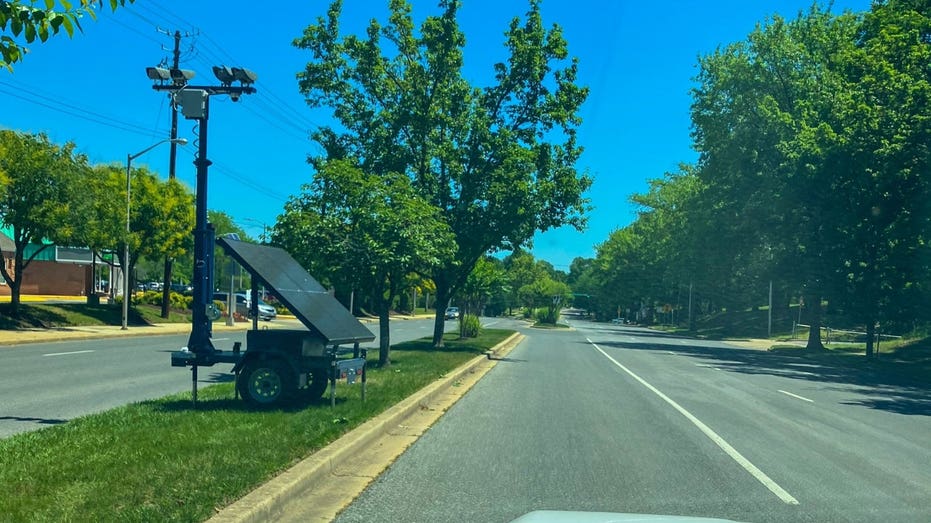
The Rise of Noise-Detection Cameras in U.S. Cities
Residents woken up by the sudden roar of a loud vehicle speeding down their street are all too familiar with how quickly the noise disappears. By the time law enforcement is notified, the offending driver is often blocks away. To combat this issue, urban centers and smaller communities alike are increasingly turning to automated technology, as reported by Fox News.
While license plate readers from companies like Flock have become common sights along roadways and parking lots, another form of roadside surveillance is gaining traction: cameras that actively listen. These noise cameras integrate microphones, standard cameras, and specialized software to identify and pinpoint overly loud automobiles, with some systems also capturing license plate data to issue warnings, official reviews, or financial citations.
According to the original reporting by Fox News, at least 10 U.S. jurisdictions have deployed or tested noise-camera technology in recent years, with numerous other communities evaluating or preparing similar programs. New York City boasts one of the most established programs, while locations ranging from Iowa to Hawaii have implemented vastly different strategies.
Read the original Fox News report
New York City's Established Enforcement Program
New York City provides a clear example of how aggressive noise-camera enforcement can operate. The city's Department of Environmental Protection utilized 12 cameras throughout 2025. During that time, the equipment recorded 15,994 noise events, which ultimately resulted in 1,691 summonses.
The system is designed to target excessive engine and muffler noise, alongside specific violations related to vehicle music and horns. The financial penalties for non-compliance are substantial. A muffler violation in the city carries a minimum penalty of $800, while maximum fines can reach up to $2,625.
Operationally, New York's system combines directional microphones with video recording and automated license plate reading capabilities. When the acoustic sensors detect sound levels exceeding a preset threshold, the software attempts to isolate and identify the specific vehicle responsible. City personnel then review the gathered evidence before a formal summons is mailed or issued.
The equipment utilized in New York is manufactured by Intelligent Instruments Ltd., a company based in the United Kingdom that produces the SoundVue noise-camera system. Financial records show New York paid the firm for equipment provision, calibration services, and ongoing maintenance throughout 2025.
The Proliferation of Intelligent Instruments and Alternative Approaches
Intelligent Instruments has emerged as a prominent supplier in the nascent U.S. noise-camera market. The SoundVue system utilizes a specialized array of microphones paired with visual cameras and analytical software to locate the loudest vehicle in a given traffic flow, while integrating with automated license plate recognition technology.
Different municipalities have adopted varied approaches to utilizing this technology:
- Knoxville, Tennessee: The city deployed a mobile noise-camera program that records data tied to excessive-noise events, including timestamps, geographical locations, vehicle types, and license plates. While the technology can support warnings, Knoxville reportedly does not currently use the camera setup to issue automated citations. The system's roots trace back to 24 Acoustics, another Southampton, U.K.-based company, though current municipal documentation indicates the technology now trades through Intelligent Instruments.
- Miami Beach, Florida: Miami Beach initially tested three Intelligent Instruments systems to evaluate whether the hardware could accurately identify offending vehicles under varying traffic conditions. Because state law restricted the city from issuing automated noise citations based on camera evidence during the trial, Miami Beach pivoted. In July 2026, the city initiated a year-long Quiet Zone pilot within its South of Fifth neighborhood, relying instead on police officers to enforce existing noise laws rather than automated cameras.
Smaller Communities Adopt Acoustic Monitoring
The deployment of acoustic enforcement is not limited to major metropolitan areas. Smaller towns are also exploring the technology to address hyper-local grievances. For instance, the small Iowa community of Avoca advanced a noise-camera initiative along Highway 59 after conducting a trial run in the spring of 2025.
Avoca's deployment was prompted by persistent complaints regarding loud engine-compression braking from heavy trucks, commonly referred to as Jake braking. During its initial one-month pilot phase, the system successfully logged 183 distinct violations involving 83 vehicles, highlighting the broad appeal of automated acoustic surveillance across diverse municipal settings in the United States.
Post a Comment