House Set to Debate Modified Protect College Sports Act Amid Approaching Year-End Deadline
House to Consider Modified Version of Senate Legislation
According to reporting by Eddie Pells for the Associated Press, the House of Representatives will soon consider a slightly altered version of a bill that has already cleared the Senate. The legislative measure, known as the Protect College Sports Act, must officially be signed into law before the end of the year to take effect, leaving lawmakers with a narrow window for action (Source).
The initial version of the legislation successfully passed the Senate last month with a 77-22 vote. However, the proposal faces a more complicated path forward in the House, where lawmakers and various stakeholders are evaluating its specific parameters and potential ramifications for collegiate athletics.
Key Modifications in the House Proposal
Released on a Friday, the House iteration of the Protect College Sports Act contains specific revisions that distinguish it from the text approved by the Senate. Among the primary adjustments is a provision regarding athletic conference sizes.
- Conference Expansion: The House version would permit athletic conferences to expand up to a maximum of 22 teams. This figure represents an increase of two teams compared to the ceiling established in the Senate version.
- Targeted Regional Accommodation: According to reported analysis, this larger team limit appears tailored to accommodate specific universities located in Florida and the Carolinas that currently compete within the Atlantic Coast Conference.
- Media-Rights Revenue Restrictions: Additionally, the House version introduces a strict financial regulation, forbidding any academic institutions that generate $50 million or more in media-rights revenue from utilizing student fees to subsidize their athletic programs.
Antitrust Exemptions and Legal Implications
A central element of the legislation involves providing regulatory stability to collegiate athletics. The bill incorporates measures designed to lock in regulations governing how college athletes are paid while simultaneously establishing formal protections for Olympic sports.
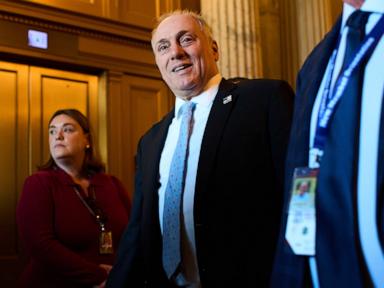
Proponents of the legislation argue that federal intervention is urgently required. House Majority Leader Steve Scalise, alongside Republican colleagues Tim Walberg and Brett Guthrie, issued a joint statement emphasizing the need for congressional action. The lawmakers asserted that Congress must pass robust antitrust protections in order to put an end to the current regulatory environment, which they described as a Wild West atmosphere.
Furthermore, President Donald Trump expressed his continued support for the legislation during a recent news conference. According to his reported remarks, the passage of the bill is vital to prevent participating colleges from facing widespread financial ruin, warning that institutions would otherwise go bankrupt.
NCAA Push and Legislative Urgency
Given the rapidly approaching year-end deadline, the National Collegiate Athletic Association (NCAA) has actively mobilized its member institutions. The organization distributed a letter urging member schools to immediately reach out to their respective representatives in Congress.
The NCAA communication highlighted the accelerated timeline, noting that formal consideration of the bill could commence as early as November 30. The letter emphasized the urgency of the matter, stating that due to the constrained time period, it is imperative for member schools to contact their representatives as soon as possible.
Challenges and Democratic Concerns in the House
Despite the push from the NCAA and Republican leadership, the legislation faces significant hurdles in the House of Representatives. According to reporting from the Associated Press, House Democrats have raised multiple concerns regarding the contents of the bill.
Particular apprehension has been voiced over athletes' rights in relation to the proposed antitrust exemption included within the legislation. If enacted, this exemption would effectively block numerous ongoing and prospective lawsuits. These legal challenges, many of which focus on player eligibility, have been frequently filed in courts across the United States since the commencement of the current school year.
As the debate approaches, the tension between establishing nationwide regulatory uniformity and protecting the legal avenues available to student-athletes remains a central point of contention. Lawmakers must navigate these differing priorities before the fast-approaching year-end deadline concludes.
Post a Comment