Evaluating Travel Insurance Value Following Recent FAA Ground Stops



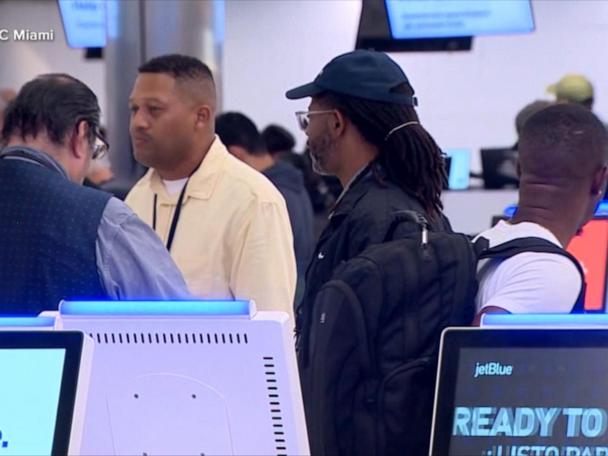


Navigating Air Travel Uncertainty After Federal Aviation Administration Ground Stops
Recent disruptions in the aviation sector, highlighted by Federal Aviation Administration (FAA) ground stops, have placed renewed focus on the reliability of modern air travel. Passengers navigating these systemic delays and cancellations frequently find themselves questioning the best ways to safeguard their travel investments and personal itineraries. As travelers grapple with unpredictable disruptions, industry experts are weighing in on whether financial protection products provide genuine security during widespread aviation anomalies.
According to original reporting by ABC News, Katy Nastro, who serves as the travel correspondent at Flighty, recently shared valuable insights regarding what passengers can actively do to shield themselves from unexpected travel chaos. The discussion centers heavily on the practicalities of purchasing auxiliary coverage and understanding the nuanced policies governing modern air transit.
The Role of Flighty and Expert Commentary
As detailed in the video segment from ABC News, expert commentary provided by Katy Nastro sheds light on the mechanics of flight tracking and passenger rights during significant operational halts. Flighty, a well-known flight-tracking application, offers real-time data to help consumers stay informed about their flight statuses. However, technological tools alone cannot fully mitigate the financial losses associated with missed connections, extended hotel stays, or ruined vacations caused by major regulatory groundings.
Nastro addressed the core dilemma faced by millions of flyers: whether spending money on protection plans truly pays off when large-scale interruptions occur. While specific policy terms vary wildly across different providers, the fundamental question remains whether standard airline compensation or credit card protections are sufficient, or if dedicated third-party coverage is fundamentally necessary.
Weighing the Benefits of Third-Party Protection
When evaluating the worth of travel protection plans, consumers must carefully examine what various policies actually cover. Industry discussions often highlight several key factors that travelers should consider:
- Coverage Exclusions: Many standard policies have specific clauses regarding government-ordered ground stops, potentially limiting payouts depending on the exact wording of the contract.
- Out-of-Pocket Expenses: Unforeseen costs such as emergency lodging, meals, and alternative transportation can accumulate rapidly during extended delays, making reimbursement provisions particularly appealing.
- Timing and Purchase Windows: Coverage typically must be secured well in advance of an impending weather event, technical failure, or regulatory action to be valid.
Although exact statistical data regarding the percentage of travelers who successfully file claims following an FAA ground stop was not detailed in the source material, the general consensus emphasizes proactive planning. Travelers are encouraged to look closely at the fine print before checking out.
Alternative Safeguards for Consumers
Beyond traditional insurance products, Nastro noted that passengers often possess built-in protections that they may not fully realize. Many premium credit cards offer travel interruption and cancellation benefits automatically, provided the user charged the initial fare to that specific card. Reviewing these existing credit card perks can save consumers from purchasing redundant coverage.
Furthermore, airlines operate under specific regulatory guidelines when they are at fault for cancellations or significant delays. However, when an FAA ground stop occurs due to air traffic control issues, safety mandates, or systemic technical failures, carrier obligations can differ significantly compared to situations within the airline's direct control. This distinction underscores why understanding the root cause of a travel disruption is critical for effective itinerary management.
Actionable Advice for Future Itineraries
To better protect upcoming journeys, travelers can adopt several strategies recommended by industry observers:
- Monitor flight tracking software closely to anticipate delays before arriving at the airport.
- Audit current credit card agreements to determine existing travel protection limits.
- Carefully evaluate third-party insurance policies for specific clauses related to regulatory groundings and national airspace restrictions.
- Maintain organized digital records of all booking confirmations, receipts, and communication logs with travel providers.
As the aviation landscape continues to evolve alongside technological advancements and regulatory challenges, staying informed remains a passenger's best defense. For further details and to watch the complete interview discussion, viewers can access the original report directly through the ABC News video feature.
Post a Comment