Understanding the Mystery Voicemail Scam That Hits Without Your Phone Ringing
Navigating the Frustration of Silent Voicemails
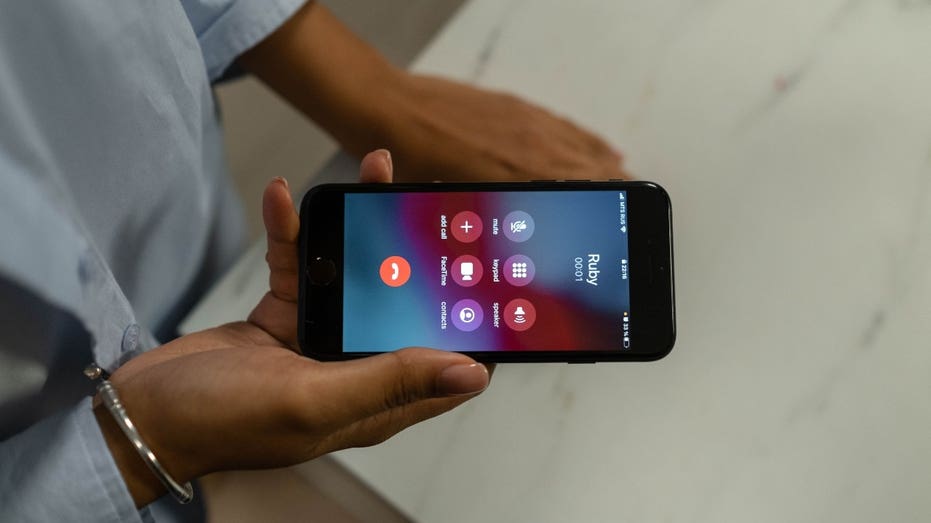
In the evolving landscape of digital nuisances, a troubling phenomenon has caught the attention of mobile phone users: receiving a flurry of voicemail notifications without the phone ever ringing. According to reporting by technology writer Kurt 'CyberGuy' Knutsson for WriteUp.us source material, this issue can quickly overwhelm a user's inbox with messages that arrive every few minutes, leaving empty audio files and unanswered questions in their wake.
A resident of Westport, Connecticut, named Mike, reached out with this exact dilemma. He described a barrage of voicemails arriving every twenty to thirty minutes without a single preceding ring. Even after blocking individual source numbers, the flood continued as calls simply rolled over to new numbers. Furthermore, playing the messages revealed no audio at all, leaving him questioning the endgame of these mysterious communications and seeking practical solutions.
Dissecting the Mechanics Behind Ringless Voicemails
While an experience like Mike's strongly resembles automated spam activity, technology experts note an important distinction regarding how these messages arrive. A voicemail appearing without an audible ring does not automatically confirm the use of a specialized "ringless voicemail" system. Several factors, including native smartphone features, carrier-level protections, and automated robocall behavior, can create identical symptoms.
According to the source reporting, ringless voicemail—sometimes referred to as direct-to-voicemail technology—is capable of delivering prerecorded messages directly to a wireless voicemail inbox without causing the target phone to ring. The Federal Communications Commission established a ruling in 2022 determining that ringless voicemails delivered to wireless numbers qualify as calls under federal robocalling regulations when utilizing artificial or prerecorded voices, thus subjecting them to applicable consent mandates.
Alternatively, the communication might have successfully reached the destination number, only to be intercepted by internal device features or wireless carrier spam filters. Modern mobile operating systems, such as Apple's iOS, allow devices to automatically silence and route potential fraud or spam calls directly to voicemail based on carrier identification. Furthermore, built-in device settings can silence or screen any incoming calls from numbers not currently saved in the user's contact list.
The Role of Caller ID Spoofing and Rotating Numbers
A common frustration for recipients of these silent messages is the apparent futility of manually blocking numbers. When one offending number is blocked, a new one immediately takes its place. The reporting attributes this behavior heavily to caller ID spoofing.
Bad actors possess the ability to falsify caller ID data displayed on a target device, making an incoming communication appear as though it originates from a local exchange, a legitimate business, or even an entirely innocent third party whose personal number is being improperly hijacked. Because the displayed details bear little connection to the actual source of the transmission, manual blocking quickly devolves into an ineffective game of whack-a-mole, highlighting the necessity of broader, carrier-level spam filtering systems.
Why Do Scammers Leave Blank Audio Messages?
Receiving entirely silent voicemails can seem counterintuitive, raising questions about what the perpetrator hopes to achieve. In some instances, a blank message is simply the byproduct of technical failures within automated calling systems where the accompanying audio file fails to trigger correctly.
However, unexpected communication tactics are frequently designed to provoke human curiosity and engagement. An unfamiliar notification naturally prompts wonder regarding whether an important piece of information was missed. Security experts caution that unexpected calls and unexplained notifications from unfamiliar sources should be treated with high suspicion, and users are strongly advised to avoid calling these numbers back.
To read the original reporting and learn more about defending against modern digital threats, visit the full coverage at the Fox News source article.
Post a Comment