ForSight Robotics' JASPER Platform Completes 26 Robot-Assisted Cataract Surgeries
Introduction to Robotic Assistance in Ophthalmic Surgery
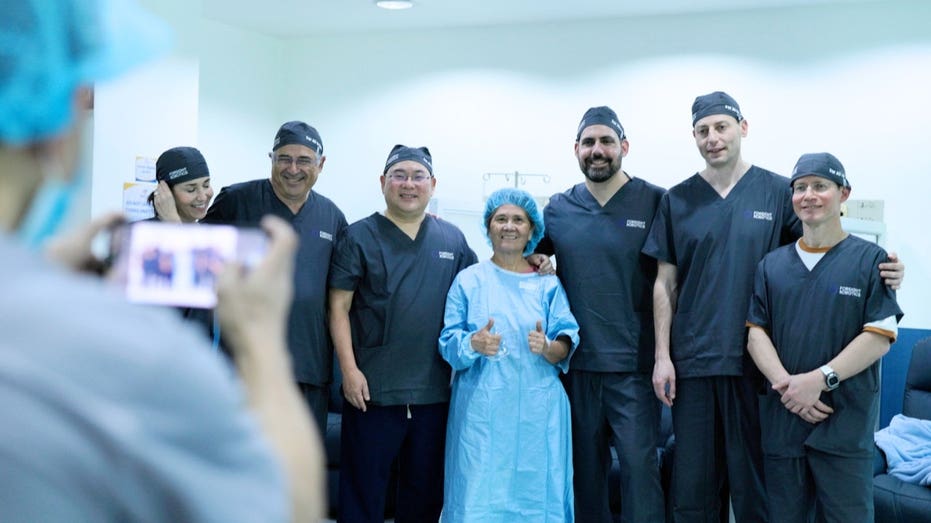
For patients and medical professionals alike, cataract surgery is frequently viewed as a routine, highly standardized procedure. Individuals typically arrive at a medical facility, undergo the operation, and return home on the same day. According to reporting by Fox News, advanced robotics are now beginning to intersect with this familiar medical routine. ForSight Robotics announced that its JASPER Robotic Surgical Platform has successfully been utilized in 26 fully robotic-assisted cataract surgeries performed on human patients.
As detailed by Fox News, the company confirmed that every single one of these 26 procedures was finished entirely through robotic assistance. Crucially, the operating surgeons never had to convert to a conventional manual operation during any of the procedures. While headlines involving autonomous or robotic machines often spark questions regarding whether technology is taking over the operating room, the reporting clarifies that human surgeons remained in control throughout every case.
Original reporting source: Fox News
Understanding the JASPER Robotic Surgical Platform
The operational mechanism behind the JASPER platform relies on telemanipulation controlled directly by a human surgeon. Rather than the machine operating autonomously, the physician actively directs the procedure while the robotic system translates those real-time commands into microscopic movements within the patient's eye. This development arrives as the medical sector experiences an expanding footprint of robotic technologies taking on intricate surgical responsibilities, though distinguishing between machine autonomy and human oversight remains essential.
Following its initial human robotic cataract surgery earlier in the year, ForSight Robotics expanded its clinical footprint by completing an additional 14 procedures. This milestone brings the company's total early clinical experience up to 26 patients. Throughout these clinical evaluations, patients received standard anesthesia regimens typically utilized in routine cataract operations, ranging from topical anesthesia to mild sedation. In alignment with traditional cataract procedures, every patient involved in the clinical evaluation returned home on the same day.
According to the source reporting, this seamless integration into standard outpatient logistics is a core objective for ForSight Robotics. The company aims to introduce advanced robotics without disrupting the established clinical framework of a standard outpatient procedure. Nevertheless, medical experts note that 26 patients represents a relatively small sample size. This data reflects early clinical experience rather than definitive proof that robotic-assisted cataract surgery is fully prepared for widespread, mainstream clinical adoption.
Human Oversight and Advanced Technological Features
The terminology surrounding "fully robotic-assisted" procedures can occasionally create a misconception that the JASPER system operates independently or makes clinical decisions on its own. Fox News emphasizes that this is not the case. The human surgeon maintains complete authority over the operation via telemanipulation, while JASPER acts as a sophisticated translator of the physician's precise instructions.
The system is equipped with several advanced technological capabilities designed to assist the operating physician:
- High-definition 3D visualization systems that provide enhanced optical clarity during the procedure.
- Movement-scaling capabilities that refine the physical scale of the surgeon's physical inputs.
- Natural hand-tremor filtering to increase overall stability.
- Real-time eye tracking that allows the JASPER system to dynamically adjust as the patient's eye moves during surgery.
- Computer vision integration designed to offer supportive assistance to the surgeon.
A notable distinction of the JASPER platform is its design intent to manage the complete cataract procedure from start to finish, rather than stepping in for only a localized portion of the operation. While other medical robotics companies have explored alternative methodologies—such as AI-powered systems that independently complete specific phases of surgeries like gallbladder procedures on lifelike models—JASPER maintains a hands-on dynamic where the physician continuously calls the shots while the hardware executes the physical maneuvers.
Global Implications and Potential Future Impact
The potential relevance of robotic cataract surgery extends far beyond experimental milestones due to the sheer volume of procedures performed annually. According to data cited by ForSight Robotics and reported by Fox News, more than 30 million cataract procedures are performed globally every year. This massive patient volume separates the technology from niche innovations designed strictly for exceedingly rare medical conditions.
Because cataract surgery is already among the most widespread operations globally, the successful implementation of systems like JASPER could eventually influence millions of patients, provided future clinical trials continue to validate its safety, efficacy, and operational reliability. At this early stage, however, the technology remains focused on proving its value within controlled clinical environments under the watchful eye of human surgeons.
Post a Comment