West Virginia University Researchers Turn Polluted Mine Water into Critical Rare Earth Minerals
Turning Environmental Liabilities Into Technology Assets
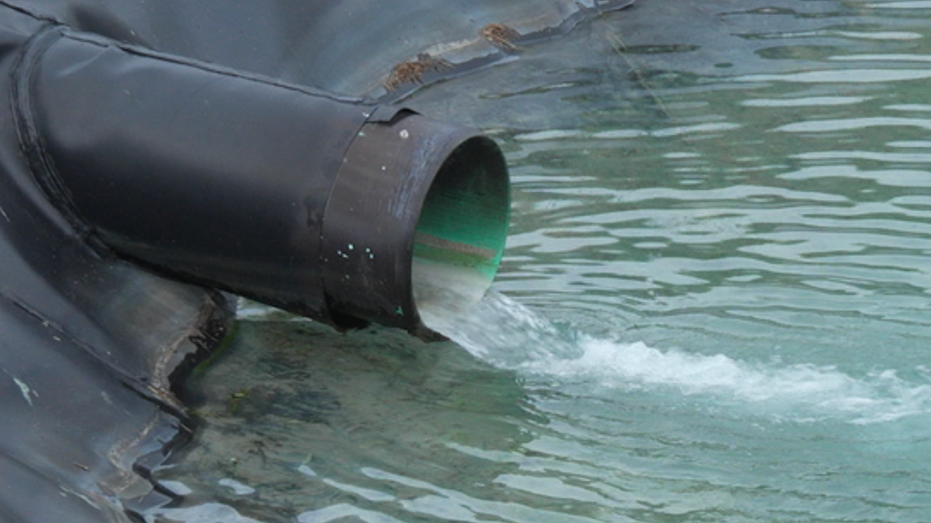
According to original reporting by Fox News, investigators at West Virginia University (WVU) have developed a method to extract heavy rare earth minerals from contaminated water leaking out of abandoned coal mines. This breakthrough aims to tackle a long-standing environmental challenge in the Appalachian region while potentially easing America's reliance on foreign suppliers for crucial components used in consumer electronics, electric vehicles, and national defense applications.
The United States currently depends heavily on foreign nations, including China, to secure rare earth elements. These materials are essential for modern technology infrastructure as well as advanced military systems. Heavy rare earth minerals are considered particularly valuable due to their critical role in defense technologies and advanced energy sectors, as reported by Fox News.
The Accidental Discovery in Watershed Cleanup
Steve Dunmead, CEO of Mission Critical Materials, noted in the Fox News report that the initiative initially began with a different objective. "Originally, the entire focus of this effort was just simply cleaning up the watersheds," Dunmead explained. Scientists were originally trying to treat acid mine drainage by applying chemicals to eliminate contaminants and purify local water sources.
During this cleanup process, investigators detected rare earth elements present within the acidic water. This realization suggested that watershed remediation could be paired with mineral recovery. "There’s an opportunity to generate revenue out of this AMD treatment," Dunmead stated, according to Fox News reporting.
High Concentrations of Heavy Rare Earths
Data gathered by WVU indicates that acid mine drainage can feature a much higher percentage of heavy rare earth elements than traditional extraction sources. Dunmead noted that while conventional mixes might contain about two percent heavy elements, coal acid mine drainage analyzed by the university can consist of approximately 50 percent heavy rare earths. This distinction is vital because heavy rare earth minerals rank among the most difficult and expensive materials to source globally.
Scientific exploration into this phenomenon began nearly a decade ago when WVU scientists first identified rare earth elements within acid mine drainage from retired coal sites. To advance these efforts, the institution established the WVU Rare Earth Elements Initiative, uniting experts to study mineral recovery across diverse applications.
Scaling Up and Building Domestic Supply Chains
In 2022, WVU collaborated with the West Virginia Department of Environmental Protection to launch the A34 AMDREE Processing Facility located in Mount Storm. According to Fox News, this site represents the country's first integrated pilot-scale rare earth recovery facility of its type. Researchers indicate that this methodology could eventually help establish a secure domestic supply chain.
Rare earth elements extracted through this process support numerous everyday and specialized products, ranging from smartphones and wind turbines to fighter jets and missile defense systems. To help transition these laboratory innovations into the commercial marketplace, WVU established a for-profit entity named Mission Critical Materials.
Expanding Beyond Coal Mines
Beyond coal mine runoff, investigators are exploring other industrial waste streams and hard rock mines. Dunmead pointed out that this challenge is not restricted exclusively to coal sites. Operations dealing with copper and gold can also produce acid mine drainage, broadening the potential scope of the recovery technology.
Another primary advantage of this strategy is that it utilizes pre-existing polluted sites instead of necessitating the construction of brand-new mining operations. Dunmead explained via Fox News that traditional mines can face regulatory approval pathways lasting many years, whereas the new recovery technology can be deployed directly at existing acid mine drainage sites operating under current water permits.
Ultimately, WVU researchers believe the initiative offers a dual benefit by simultaneously addressing environmental pollution and supplying essential materials for future technology sectors. The next objective for the team involves constructing a larger-scale facility to begin commercial production and domestic sales of heavy rare earth materials.
For further details, read the original story on Fox News.
Post a Comment