Timeline of Kilmar Ábrego García's Legal Battle with the Trump Administration
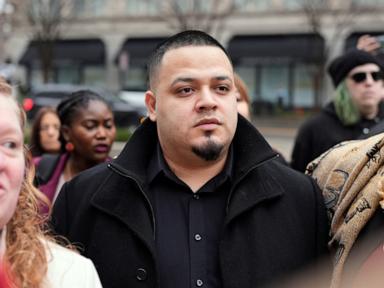
Introduction to a Defining Immigration Saga
According to original reporting by The Associated Press, Kilmar Ábrego García became a central figure in the intense national debate surrounding President Donald Trump’s immigration policies. His complex legal battle began to capture widespread public attention in March 2025, following a deportation to El Salvador that occurred despite an active court ruling meant to prevent it. Over the course of the saga, Ábrego García fought civil cases in Maryland challenging Department of Homeland Security removal efforts to various African nations, while simultaneously battling criminal human smuggling charges in Tennessee. The legal journey ultimately concluded when Ábrego García chose to self-deport to Spain, marking a potential close to one of the most defining immigration enforcement controversies of the Trump administration.
As reported by ABC News, this comprehensive review outlines the confirmed chronological events of his fight, while clearly distinguishing between official legal determinations and ongoing uncertainties surrounding the case.
Early Life and Initial Legal Protections
The reported timeline shows that Ábrego García originally fled El Salvador as a teenager to seek refuge in the United States. Years later, he faced arrest outside of a Maryland hardware store, where local police accused him of gang affiliation and subsequently transferred him into the custody of U.S. Immigration and Customs Enforcement (ICE). Following this detention, a Maryland immigration judge reviewed his case and ruled that he could not legally be deported back to El Salvador, as a gang had directly threatened his family's safety. Granting him a work permit, the court placed him under federal supervision instead.
The situation escalated significantly when ICE detained Ábrego García again in Maryland while he was driving home accompanied by his five-year-old son. Despite the prior judicial protections, he was mistakenly deported to El Salvador and subsequently placed in a notoriously brutal prison.
Supreme Court Intervention and Congressional Involvement
The reported details indicate that following the erroneous deportation, the U.S. Supreme Court ordered the Trump administration to take active steps to bring Ábrego García back to the United States. Amid this high-stakes defiance of the Trump administration's broader enforcement directives, Democratic Senator Chris Van Hollen of Maryland traveled to El Salvador and met with Ábrego García at a hotel. This diplomatic intervention helped establish renewed hope and momentum for Ábrego García’s family.
Upon his return to the U.S., Ábrego García faced immediate legal escalation. The government charged him with human smuggling, a charge derived from a traffic stop that had occurred in Tennessee back in 2022.
Legal Battles in Maryland and Tennessee
As the legal chess match continued, ICE announced plans to remove Ábrego García to a series of African countries. However, this administrative plan was temporarily halted by an injunction issued by a Maryland federal judge. Meanwhile, Ábrego García was released from a Tennessee jail—where he had been held since June—to return to his family in Maryland while awaiting trial. Controversially, within minutes of his release, ICE issued a new notice declaring their intent to deport him specifically to Uganda.
Complying with reporting requirements, Ábrego García reported to an immigration office in Baltimore, where officials promptly took him back into custody. This triggered another swift judicial intervention: a federal judge in Maryland ordered ICE to immediately release him, subsequently ruling that the agency could not legally re-detain him.
Simultaneously, the criminal case took a dramatic turn in Tennessee. A federal judge formally dismissed the human smuggling case against Ábrego García after uncovering evidence that the Justice Department had engaged in what the judge termed “vindictive prosecution.” Despite this ruling, the Justice Department maintained its stance, telling a federal appeals court that the Tennessee federal judge had erred in his scathing May ruling.
Departure to Spain and Conclusion of the Saga
The reported timeline concludes with Ábrego García making the voluntary decision to leave the United States for Spain, departing from Washington Dulles International Airport. An unsealed court order dated November 20 revealed that a federal judge stated the government had informed her that Ábrego García was completely free to self-deport to any nation willing to accept him. Consequently, the judge set a deadline of November 24 for his departure and ordered the physical removal of his GPS ankle monitor prior to his boarding the flight.
Upon arrival, Ábrego García successfully landed at Madrid’s international airport. While he declined to speak with reporters covering his arrival, original reporting confirms he raised a defiant fist into the air as he entered a waiting van, bringing a dramatic chapter of the Trump administration's immigration crackdown to a close.
Post a Comment