Chick-fil-A Data Breach Exposes Customer Accounts via Credential Stuffing
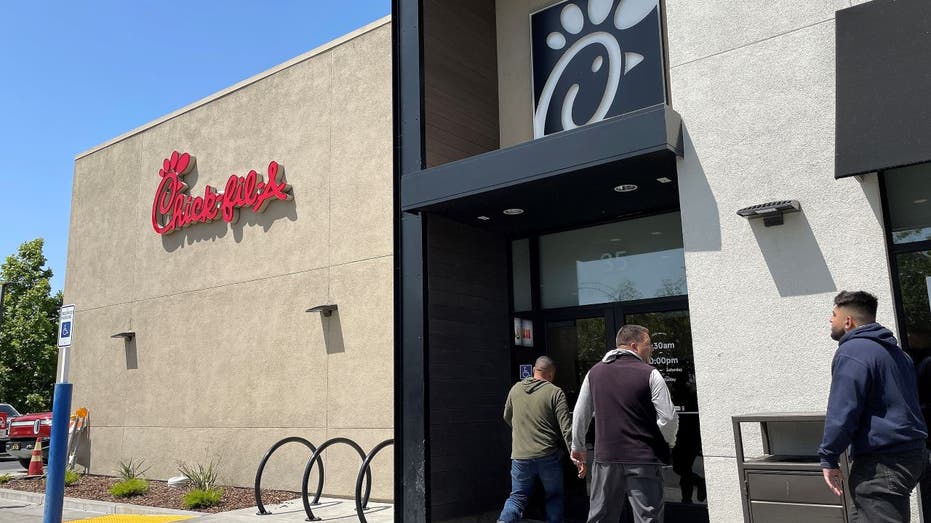
Understanding the Chick-fil-A Security Incident
As reported by Fox News, popular fast-food chain Chick-fil-A is alerting customers following a security breach that compromised specific Chick-fil-A One loyalty accounts. The cyberattack exposed personal data, rewards balances, and account information, while once again highlighting the severe risks associated with password reuse across multiple online platforms. Even if customers have not received a direct notification from the company, security experts suggest the incident serves as an important reminder to audit personal passwords, saved payment methods, and recent account activity.
How the Automated Attack Unfolded
According to findings from the investigation, Chick-fil-A initially identified suspicious login behavior targeting particular loyalty accounts. Following a formal investigation, the company uncovered an automated assault on both its mobile application and main website. The malicious activity occurred over a brief period between June 17 and June 19, 2026. Ultimately, the organization determined on July 13 that unauthorized individuals may have successfully gained access to data contained within the impacted accounts.
The threat actors executed what is known as a credential stuffing attack. Instead of breaching Chick-fil-A's internal servers directly, the perpetrators utilized email addresses and passwords stolen from an entirely separate, third-party source. These automated tools systematically tested the acquired login combinations against Chick-fil-A One profiles. Because many individuals frequently reuse the exact same password across multiple services, the attackers successfully breached numerous customer accounts.
Scope of the Affected User Base
While Chick-fil-A has not formally revealed the total number of customers impacted by the security event, public regulatory filings provide partial insight into the geographic distribution of the breach. Official notices filed in various regions indicate that the incident affected 2,182 residents in Texas and 39 residents in Massachusetts. Furthermore, the restaurant chain submitted formal disclosures involving affected individuals across Iowa, the District of Columbia, Maryland, New Mexico, New York, North Carolina, Oregon, Vermont, and Rhode Island.
Exposed Data and Potential Risks
The specific data accessible to the threat actors varied from one account to another based on individual user profiles. According to official notifications distributed by the company, the compromised information potentially included customer names, email addresses, Chick-fil-A One membership numbers, mobile pay numbers, and account QR codes. Additionally, the breach exposed stored Chick-fil-A credit balances, the final four digits of linked debit or credit cards, customer birthdays limited to the month and day, phone numbers, and saved physical addresses.
Although the company confirmed that notifications display only the final four digits of payment cards rather than full card numbers, Social Security numbers, or complete bank details, the exposed information still poses secondary risks. Security analysts note that malicious actors can leverage personal details such as names, loyalty membership IDs, and partial card numbers to craft highly convincing social engineering scams. Victims might receive fraudulent messages containing accurate personal information, making the scams appear entirely legitimate. The exposure of account QR codes also raises security questions, as these codes are normally utilized to gather loyalty points and redeem rewards, though Chick-fil-A has not publicly clarified whether the perpetrators misused any exposed QR codes.
The Mechanics of Credential Stuffing
Credential stuffing remains a prevalent threat in modern cybersecurity because the underlying method is straightforward yet highly effective. Cybercriminals aggregate large databases of email addresses and passwords exposed in older, unrelated data leaks. Automated scripts then rapidly test these credentials across countless unrelated websites and applications. The success of these campaigns relies entirely on human habits, specifically the widespread tendency to reuse passwords across different platforms. Consequently, a security lapse at an unrelated website can directly result in account takeovers on platforms with no direct connection to the original breach.
By relying exclusively on traditional usernames and passwords for authentication, organizations leave themselves and their users vulnerable to automated intrusions. Security professionals continue to advocate for the implementation of multifactor authentication to establish robust defenses against unauthorized account access. For more details on the original reporting, read the story on Fox News.
Post a Comment